
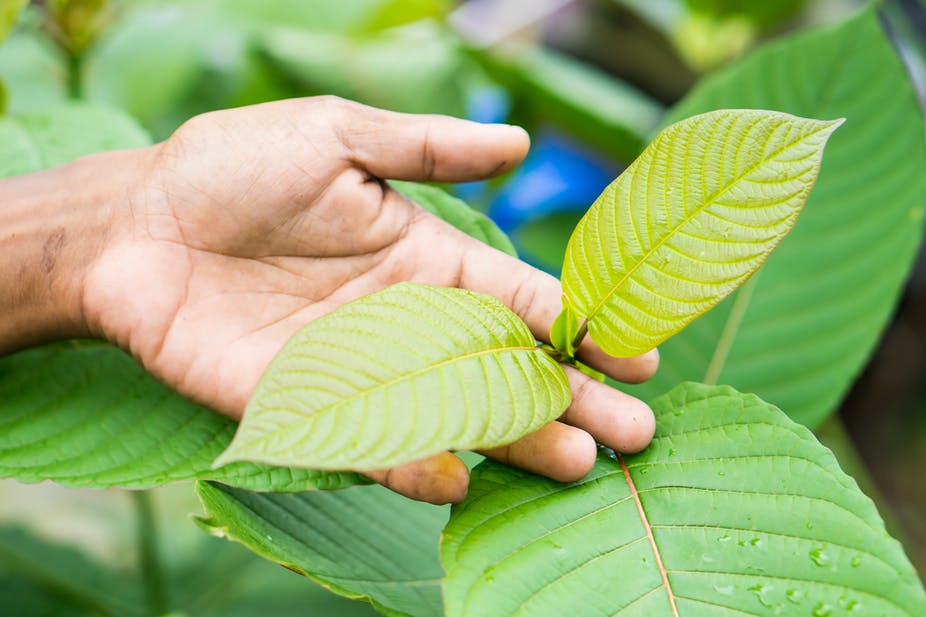
Kratom (Mitragyna speciosa) is a tropical plant native to Southeast Asia, especially abundant in Kalimantan, Indonesia. Known locally as ketum, purik, or kedamba, kratom has long been valued for its ecological, economic, and medicinal potential. However, its use continues to raise debates regarding health impacts and legality.
Understanding Kratom’s Characteristics
Discovered in 1839 by Dutch botanist Pieter Willem Korthals, kratom belongs to the Rubiaceae family, the same family as coffee. The plant thrives in tropical, humid soils and can grow up to 30 meters tall. Its leaves contain more than 40 alkaloid compounds that contribute to both its stimulant and analgesic effects.
Health and Economic Potential
Communities in Kalimantan have used kratom leaves for generations — to relieve fatigue, improve mood, and treat ailments like rheumatism, diabetes, and hypertension. Today, kratom also supports local economies. Thousands of farmers depend on kratom cultivation, exporting tons of dried leaves to the United States and other countries for herbal and research purposes.
Ecological Role
Beyond its benefits to people, kratom also plays an important ecological role. It helps prevent soil erosion, supports green coverage, and absorbs carbon, making it an environmentally valuable plant.
Risks and Legal Challenges
Despite its benefits, kratom poses potential health risks if misused, such as dependency and organ damage. These concerns have prompted legal debates worldwide. Some countries ban kratom entirely, while others, like Thailand, have legalized it under regulation. In Indonesia, kratom remains legal to grow and trade, though its use in food or medicine is restricted.
Conclusion
Kratom from Kalimantan stands at the crossroads between opportunity and controversy. Responsible cultivation and balanced regulation can ensure that this “Heavenly Leaf” continues to bring benefits without harming public health.